The ultimate in efficient travel. A sail yacht with solar sails. The technology is here!
I had to buy, fit, and get used to using Electric Propulsion. With solar power, Wind Turbine, and regeneration on a tiny budged and as fast as possible. Or replace the expired Bukh DV20 diesel engine with another Bukh DV24.
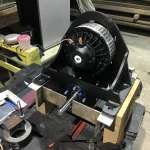
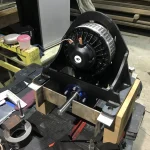
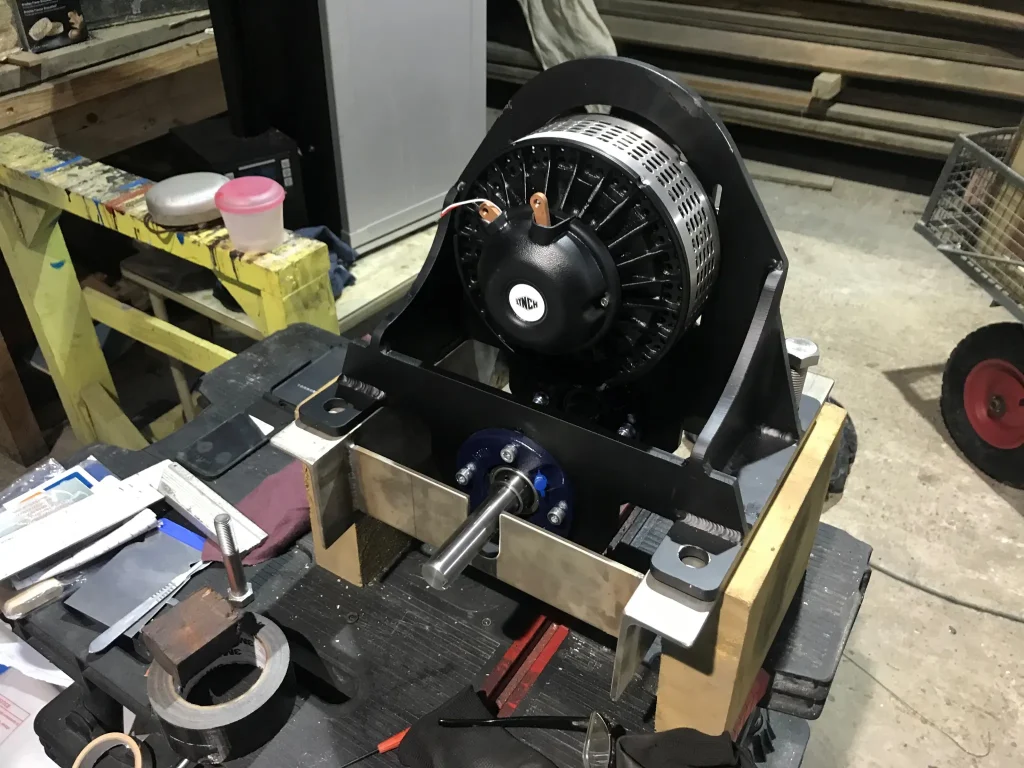
It was less expensive to buy and easier to fit, a complete Lynch electric propulsion system. The rest is history, I chose electric!
We can’t trash our only home.
In our lifetime or the next generation, and I may be wrong here. We will all have to find a way to travel cleaner. We have one planet; we cannot keep polluting it!

I hate showing this, but it’s a fact. We have to clean up our act.
The following is history. Three years traveling with electric propulsion, gave me time to think and put my experience into words.
We started out on our epic journey, a circumnavigation of the planet, with a tiny budget. In fact, I have met owners of boats with a bigger monthly budget than our total budget.
The budget should have taken us at least halfway around the world. The mistakes we made!
It takes time to adjust!
Sailing and visiting marinas becomes habitual when you have 10–11-meter tides in the NW UK. But as you travel south, the tides get less, and anchoring becomes easier. We stayed in marinas too much and it cost us a fortune, when anchoring is free.
We started out from Maryport Marina in Cumbria, on a warm day in July, 2021, at around lunch. The very North West, of England.

We were told by an experienced sailor that we needed to get moving due to the coming autumn storms.
The prep and work were just going on and on, time to cut the apron strings. We left Maryport Marina on a warm sunny, windless day, our awesome adventure was starting!
It was a scary but exiting feeling. Our first stop was Whitehaven, just 10 miles away.
Sail 1: We set out and knew we had to motor for 10 miles, mainly into a current with no wind at all. It didn’t matter, we wanted to get started.
It much better to wait for a tail wind!
Arriving at Whitehaven Marina 10 minutes after the 10-mile trip, they had already shut the lock gates. Not able to enter, we anchored outside, entering the marina on the next high tide. We plugged into shore power that night and re charged. Leson 1, of the many lessons I learned.
Our batteries are AGM lead acid. LiFePo4 would be an incredible improvement.
Sail 2: Whitehaven to Barrow in Furness. It was approximately 40 miles. We had very light following winds, just enough to motor sail. We arrived at an anchorage in Barrow, just before dark. Our batteries are AGM lead acid, I wanted to conserve power for the next day, we anchored that night. Motor sailing was fantastic but slow, no fumes blowing over the boat, almost silent. The range, using sail and the motor was huge but I was being careful.
Sail 3: Barrow to Conwy Wales, about 60 miles. We left early; I checked the weather. The wind was forecast to be good as we exited the channel. The wind set in very late, we sailed past a huge wind farm. We motored for the first 5 hours, sailing when we could. Finally the wind picked up and we were sailing with a fantastic tail wind. We made it to Conwy in Wales very late, but managed to get in before they locked it down. Moored up, plugged in, and got a good night’s sleep. We stayed in Conwy for a few nights and enjoyed the stay.
Outboard engines. A must have on a long journey.

We started out with a small Suzuki 4 stroke outboard, and a Torqeedo Travel 1105 electric outboard. Money was short, the Suzuki outboard was sold in Conwy. 3 years later and the Torqeedo is still saving us money every day. Used daily and several times a day, now in the Caribbean. Charged using 400w of Solar and a Rutland Wind Turbine.
Sail 4: Conwy to the Menai Strait: An awesome sail in good winds. As we entered the Strait we passed Puffin Island. Our adventure was unfolding. We anchored in the Strait that night.
Sail 5: To be honest I was a bit worried about using the electric engine through the Menai Strait. The Swellies had a bit of a bad reputation and I had not used the motor in this way before. There was a fast current, small islands, and lots of warnings for the trip. Ocean Strider walked it with ease, plenty of power for negotiating the small channel.
I didn’t notice the sea gulls standing up, as we slowly came to a stop on a sand bank.
Sail 6: We were through the Swellies. We started out from anchor the next morning, sailing most of the way. Tacking from left to right and it was awesome fun. As we sailed on, I was enjoying things so much, I did not notice a load of seagulls standing up in the water. We got stuck on a shifting sand bank, just after high tide. Luckily, Ocean Strider is bilge keel. We stayed the night and moved off in the early morning.
Electric Propulsion was the right choice.
As we headed for Caernarfon Bay, I was confident that I had made the right choice fitting the electric engine. I was carefully planning every detail of every trip, but conscious that we had to get to Portugal before the weather changed. We anchored for the night at the south end of the Menai Strait. The next journey was at least a full day.
Sail 7: South end of the Menai Strait to Milford Haven. Over 100 miles and the biggest trip I had sailed as a skipper. We exited the Strait, following the channel past South Island. Using the almost silent electric propulsion to negotiate the channel and find the wind. I was enjoying this so much.
Overnight sailing along the UK coast.
The sail to Milford Haven included an overnight anchorage near Ramsey Sound. We were both getting tired. After an early start the next morning, we entered the long channel taking us to the lock at Milford Haven. We stayed in the marina for a few days. The rest and fish and chips were nice, but the cost was beyond our budget.
Sail 8: Milford Haven to Padstow. Sailing across the Bristol Channel was a full day. Arriving at Padstow channel entrance, on a moonless and very windy night. There were rocks and island silhouettes everywhere as we battled to get the sails down. Not my favourite experience, but after that we accidently ran aground on another moving sand bank. We finally got free and stayed in Padstow for a few days.
We continued our journey south along the west coast of the UK. A lot of it in the dark.
Scary at times, including a lot more night sailing close to the UK coast. The tides were controlling our schedule. Ocean Strider and her electric propulsion were faultlessly dealing with everything the weather and tides could throw at us. Any issues we had were down to my lack of experience.
Sail 9: We finally rounded Land’s End in Penzance. The wind was blowing from all directions, we motored as little as possible but had no choice, sailing was frustrating. We headed for Newlyn Harbour. Our last stop in the UK, time to sign out, and cross the channel. Next stop Brest in France.
The silence of your first few experiences, sailing with electric engines can be unnerving. Then you realise the reliability, peace, and fume free world of motor sailing. It’s so good and almost FREE!
Adapting to the electric engine was not plain sailing, but I enjoyed the experience. The main lesson was to learn how to sail efficiently, and not use the engine just because its there.
I now only use the engine for entering and exiting marinas and anchoring in extremely tight spots. I try not to have emergencies, but yes in emergencies also.
Use reliable charts, check the tides and currents properly and get a good weather app for your phone. Weather apps aren’t perfect, but you get used to the quirks and learn how to live with them.