Are you cruising with lots of money or close to your financial limits. Either way, long distance sailing with electric propulsion will be less of a drain on your finances.
You require a good solid sail boat (it does not need to be big), a well thought out and fitted electric engine and the determination to make it happen.
Long distance sailing is about experiencing the many places you visit and enjoying the experience of meeting the many people you will find there. Planning and reading the weather are just a couple of the key skills you will need to master. Dealing with paperwork and officials is another, but its all worth the effort.
So, let us say you have a sail boat. The most expensive regular, long-term costs will be the engine, marinas, and rigging.
Before you leave on your adventure, get your rigging checked by a credible qualified rigger, or do it yourself if you feel confident. Your insurance company will most likely want a surveyor to confirm all is good with the boat and rigging.
Anchor as much as possible, do not be fooled into thinking you need the security of a marina, they will drain your cash. Good ground tackle (anchor system) is essential. You will soon get the confidence to anchor and enjoy the freedom.
So, we are down to the engine! I am an experienced mechanic and engineer. I know how to look after an engine. Even so, they are a constant cost, and when you are cruising this is a drain on your finances. If you are on a tight budget, it may the reason to cut your cruise short.
Service intervals are 150-250 hours on most marine engines. You will require, oil and diesel filters, oil, impellers, labour costs and may be belts just for servicing. You must trust the job is done as it should be. You will also probably need to be in a marina to get the job done and rely on genuine parts or good quality parts being available. Waiting time and more costs are inevitable.
The next big cost as you are traveling could be fuel polishing. The further you travel out of the busy marinas and ports the less the diesel is turned over in the holding tanks. This can cause diesel bug and condensation in the diesel, which will eventually cause your engine to fail. Meaning expensive fuel polishing and costly maintenance bills, if available.
Lets say you have electric propulsion.
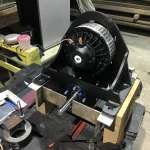
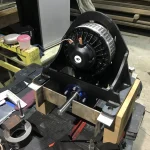
We started out with electric inboard on our yacht and electric outboard on the dinghy. Our budget was extremely tight, going electric was scary, and not as expensive as you may think, but my business experience said I would save money in the long run. This was my dream; it was our only real choice.
We left the north west UK in July 2021, and have spent no money on engine servicing, maintenance, fuel polishing or diesel. We are in the Caribbean!
When long distance cruising you should always try to sail with the wind behind you. Head on is so uncomfortable and slow.
If your electric engine has re-generation, you can charge your batteries with the engine whilst you are sailing. You will also have the solar and wind generator producing power. We often arrived at our destination fully charged. We spoilt ourselves with electricity.
If you are not fully charged. Take it easy at anchor for a day or 2, and allow the solar power and wind generator to do their job. If you are in a rush, more in a marina and charge overnight. It is so easy. Or if you have a generator and its an emergency, run it.
If there is not a lot of wind behind you, run the electric engine to speed up the pace a little. Its quiet, there are no fumes and with just a little help from the wind you will see the available run time, increase by 10 times in some cases. Its just like sailing but you have a little help from the sun and your propulsion system.
If there’s not enough wind to raise the sails, you have a choice. Stay put and enjoy your destination, then wait for the weather to come right.
If you decide to motor, be aware of the capabilities your battery bank and motor have. It’s just like knowing how much fuel you have in your tank, but in most cases, the instruments on electric motors are more accurate.
Before you set off carefully check the weather, tides, currents, and distance you need to travel. Check the battery state. Work out how long your trip will take, moving at a snail’s pace and be patient. Do not push it too hard at first, give your self-time to get used to the systems range and performance. Push a little harder until you are happy that you have found your comfortable limits. All systems are different, you will need to adapt and learn by experience.
The service intervals on my electric engine are every 3,500 hours and almost FREE. I don’t need fuel or expensive services, I don’t need to moor in marinas, and I haven’t had any breakdowns. I’ve had no problems using electric propulsion, but you do need to live within your means. The savings are incredible.
The electric outboard on the dinghy is as good. No more running about for fuel.
If this means you can live your dream, ITS GOT TO BE WORTH IT!!!